Is Now the Time to Consider Home Additions?
For many homeowners, the house they bought years ago may no longer fit the lifestyle they lead today. Whether it is a growing family needing more bedrooms or a professional requiring a dedicated office, the question of whether to move or improve is a common dilemma. Home additions offer a strategic way to gain the square footage you need without the stress and expense of navigating a volatile real estate market. Investing in your current property allows you to maintain your neighborhood roots while tailoring your living environment to your exact specifications. As the industry continues to evolve, the data shows that this trend is not slowing down. According to IBISWorld, the market size of the Home Builders industry in the United States has been growing at a CAGR of 2.9 % between 2020 and 2025. This steady growth reflects a national confidence in residential expansion as a primary way to build long-term wealth and comfort.
Deciding to expand your home is a major financial and emotional commitment. It involves a deep dive into local zoning laws, structural engineering, and design aesthetics. However, the benefits of staying in a home you already love—while simply making it bigger—often outweigh the hurdles of a complete relocation. In this guide, we will explore the various types of expansions available, the planning process, and why now might be the perfect window to transform your current residence into the dream home you have always envisioned.
Understanding Different Types of Home Additions
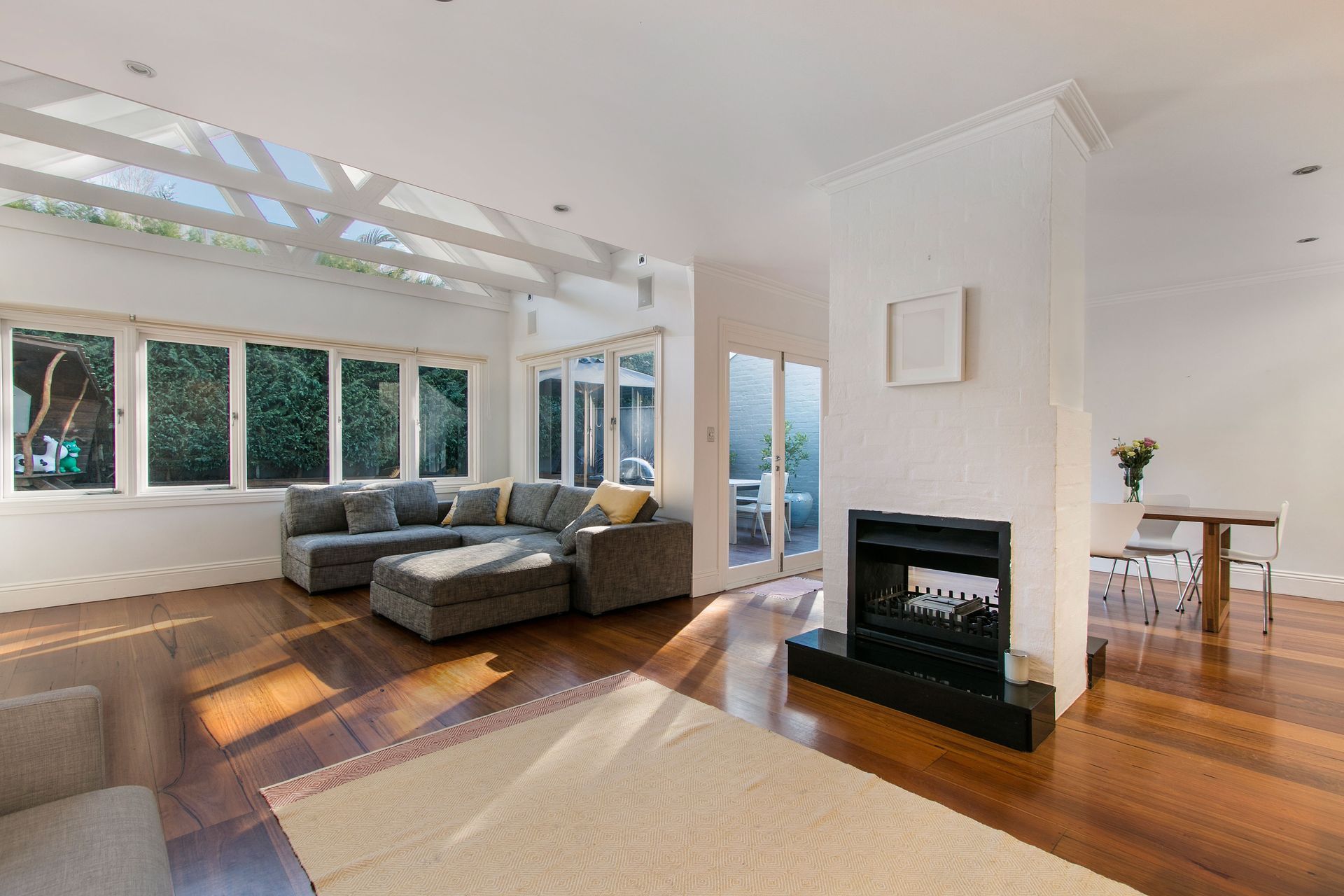
Not every project is built the same way, and understanding your options is the first step toward a successful build. A traditional "build-out" involves extending the footprint of your home on the ground level. This is often the preferred choice for kitchen expansions or the creation of a new primary suite. Because it involves foundation work and yard space, it requires careful consideration of your property lines and local setbacks. This type of home additions project is ideal for those who have ample outdoor space and want to maintain a single-story living experience.
Alternatively, many homeowners choose to "build up" by adding a second story or a room above a garage. This approach is highly effective for properties with limited lot sizes. By adding a vertical level, you can double your square footage without sacrificing your garden or driveway. This method often requires structural reinforcement of the existing walls and foundation to support the new weight, making it a more complex engineering task. Regardless of the direction you choose, the goal is to create a seamless transition where the new space feels like an original part of the house.
Evaluating the Financial Impact on Property Value
One of the primary motivations for pursuing home additions is the potential for a significant return on investment. Extra bedrooms and bathrooms are consistently among the highest-ranking features for increasing resale value. In a market where buyers are looking for move-in-ready homes with ample space, having that extra guest suite or a finished bonus room can set your property apart from the competition. You are essentially manufacturing equity by increasing the total livable square footage of the building.
Beyond the immediate increase in market price, there are also the avoided costs of moving to consider. Real estate commissions, closing costs, and moving fees can easily reach tens of thousands of dollars. By investing those funds directly into your own property instead, you are putting your money toward a tangible asset that you get to enjoy every day. When viewed through this lens, expanding your home is often a more fiscally responsible choice than purchasing a larger, more expensive house elsewhere in the same neighborhood.
Navigating the Design and Planning Phase
Successful home additions begin long before the first shovel hits the dirt. The design phase is where your vision is translated into blueprints that meet both your aesthetic desires and local building codes. It is essential to work with a team that understands how to blend the old with the new. This includes matching rooflines, siding materials, and window styles so that the addition does not look like an afterthought. A well-designed project should look as though it were part of the original architectural plan from day one.
During this stage, you must also account for the technical requirements of the new space. Will your current HVAC system handle the extra load, or will you need a separate zone? Does your electrical panel have enough capacity for the new lighting and outlets? Addressing these questions early prevents costly change orders during the construction phase. Clear communication between the homeowner, the architect, and the contractor ensures that the final result is functional, beautiful, and fully compliant with all safety standards.
Maximizing Functionality with Specialized Spaces
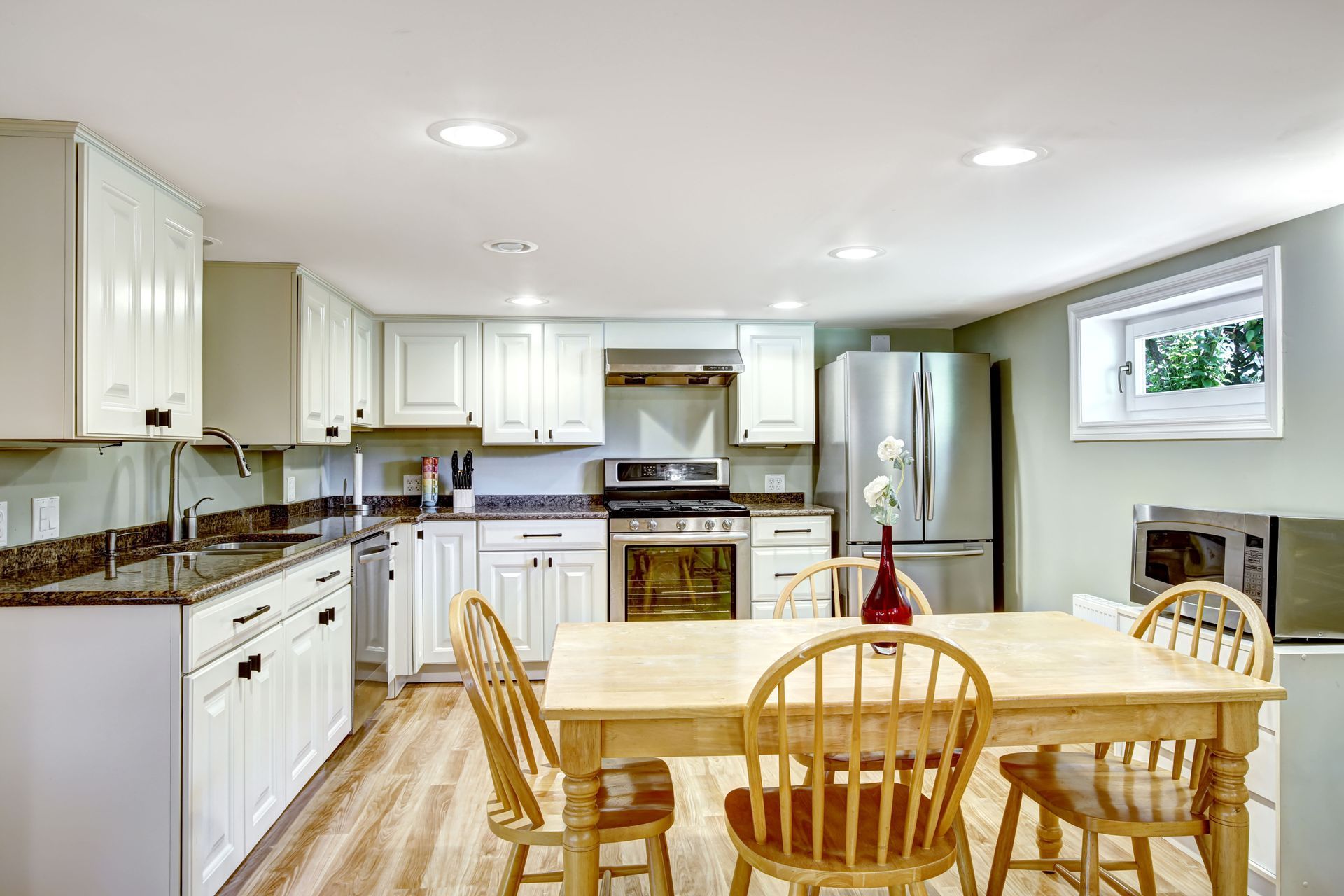
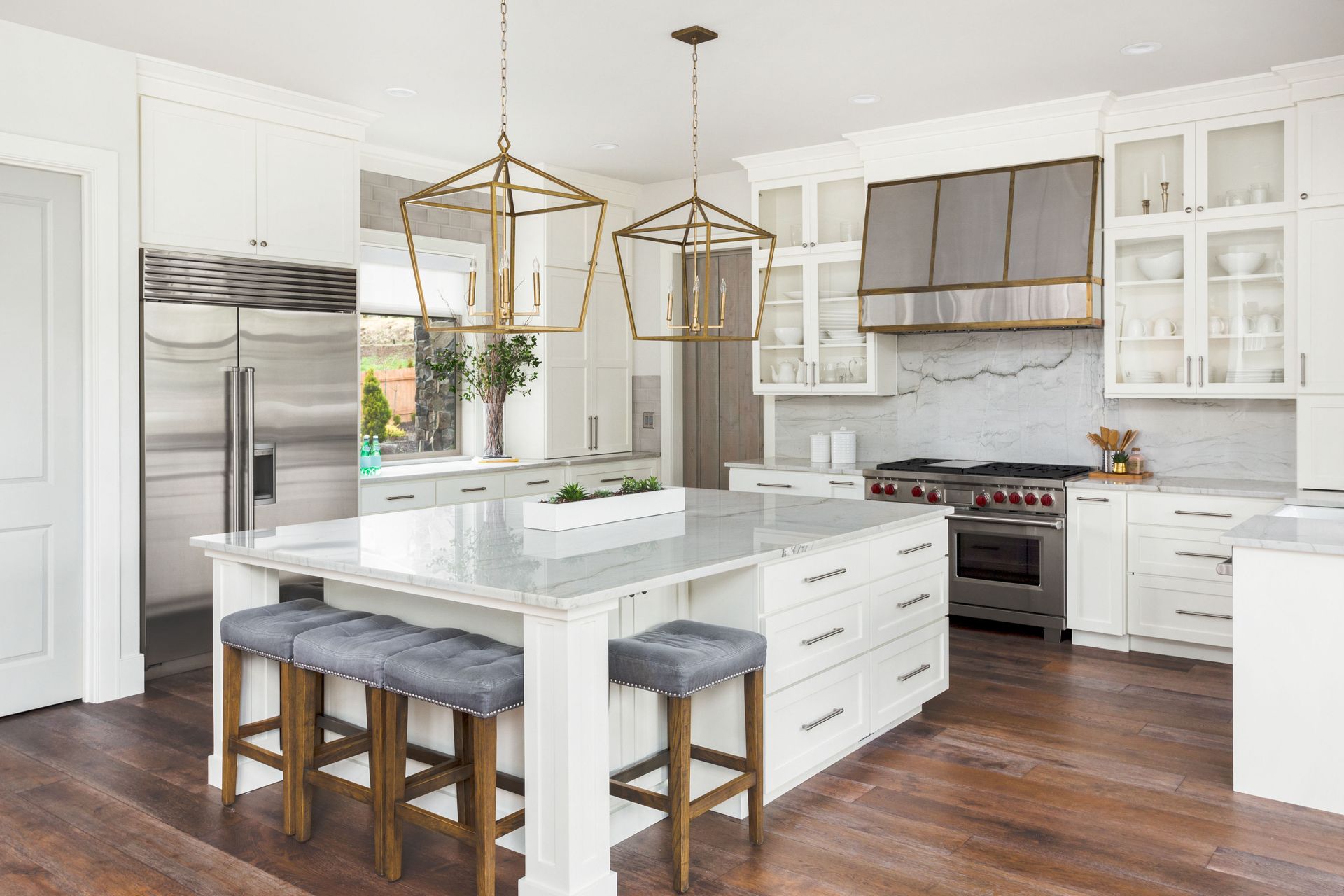
Modern living has changed the way we use our homes, leading to a rise in specialized home additions. For example, the "bump-out" has become a popular micro-addition, adding just enough space to turn a cramped kitchen into a gourmet cooking area with a center island. Others are looking toward multi-generational living by building "in-law suites" that provide privacy and independence for aging parents or adult children. These spaces often include a small kitchenette and a private bathroom, adding a layer of versatility to the home.
The rise of remote work has also fueled the demand for dedicated home offices that are physically separated from the main living areas. A quiet, professional environment away from the noise of the kitchen and living room can significantly improve productivity. By focusing on these high-utility spaces, you ensure that every square foot you add serves a specific, meaningful purpose in your daily life. It is not just about more space; it is about better space that adapts to your evolving needs.
Managing the Construction Process and Timeline
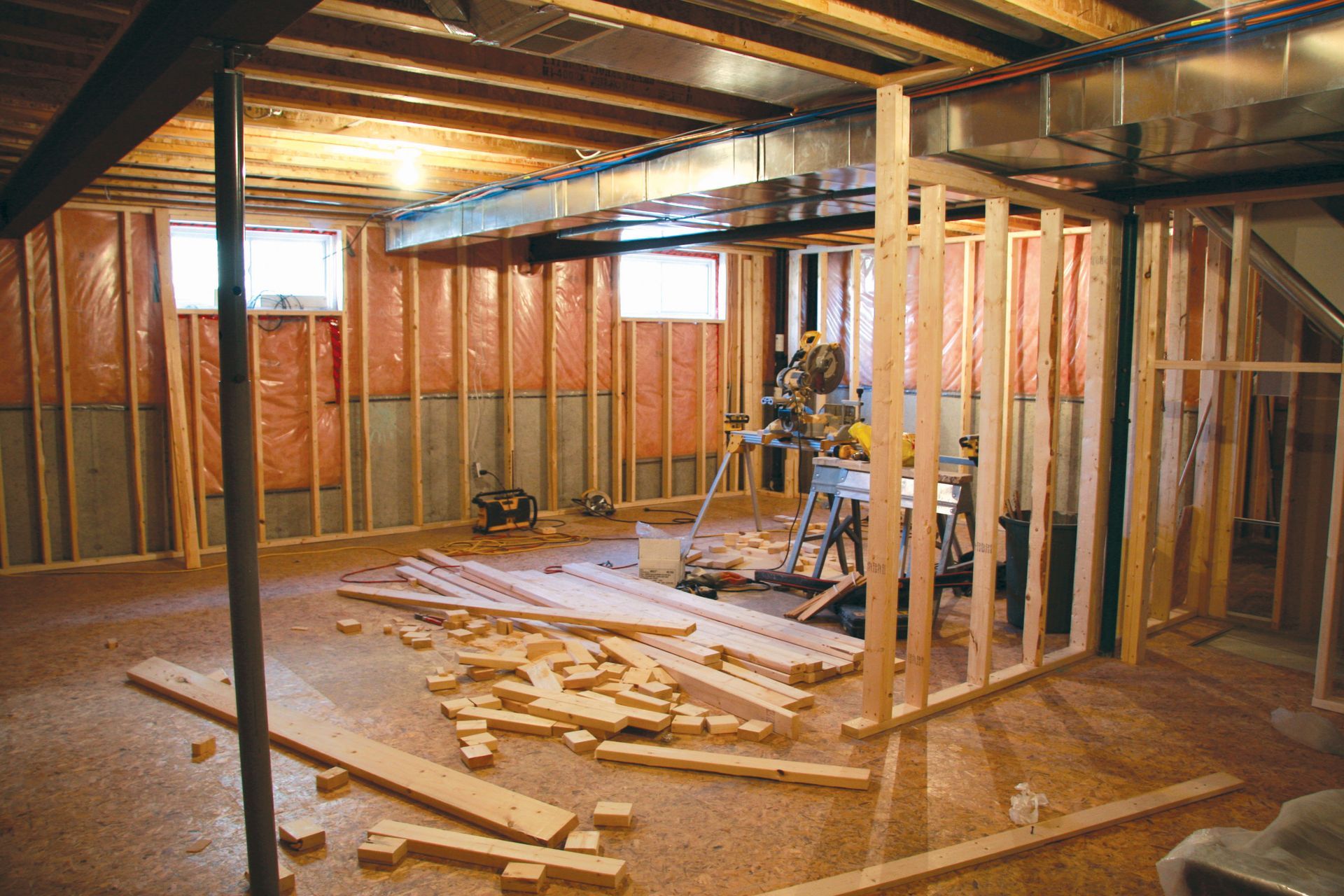
Construction can be a disruptive process, but proper management can minimize the impact on your daily routine. A typical home addition project follows a logical sequence: site preparation, foundation, framing, roofing, and then the interior finishes. Knowing what to expect at each stage helps you prepare for the temporary noise and dust. Professional builders use dust barriers and strategic scheduling to ensure that you can continue to live in your home comfortably while the work progresses on the other side of the wall.
Timeline management is equally important. Factors like weather, permit approvals, and material lead times can influence the completion date. A reputable contractor will provide a detailed schedule and keep you informed of any adjustments along the way. By choosing a partner who prioritizes transparency, you can navigate the "messy middle" of construction with peace of mind, knowing that the end result—a beautiful, expanded home—is well worth the temporary inconvenience.
Choosing the Right Partner for Your Build
The success of your expansion ultimately rests on the shoulders of the people you hire to build it. It is vital to select a contractor with a proven track record of handling complex structural changes. Look for a team that offers a comprehensive approach, from the initial site visit to the final walkthrough. A good builder acts as a consultant, helping you navigate the trade-offs between different materials and layouts to stay within your budget while achieving your goals. They should be licensed, insured, and able to provide a portfolio of similar projects they have completed in your area.
The decision to expand your living space is an investment in your family's future and your home's enduring value. Whether you are looking for a simple room expansion or a massive multi-story project, home additions are a powerful tool for customization and growth. The current market trends and industry growth suggest that there has never been a better time to take control of your environment. If you are ready to explore the possibilities for your property, the team at Under Construction Builders, LLC is here to help you every step of the way. Contact Under Construction Builders, LLC today to learn more about our process and start the journey toward your perfect home.
Share On: